Lotus Embroidery Pattern Flower Review
As an embroidery designer who has spent years navigating the vast library of digital assets, I approach every new download with a mix of curiosity and skepticism. We are always looking for that perfect balance between artistic beauty and technical reliability. Recently, I came across the Lotus Embroidery Pattern Flower on Creative Fabrica, categorized under Outline Flowers. Before committing to using it in a client’s order or my own Etsy shop inventory, I put this design through its paces. This review breaks down what makes this file stand out, where it shines in real-world applications, and what practical considerations you need to keep in mind before stitching.
First Impressions: Visual Mood and Design Personality
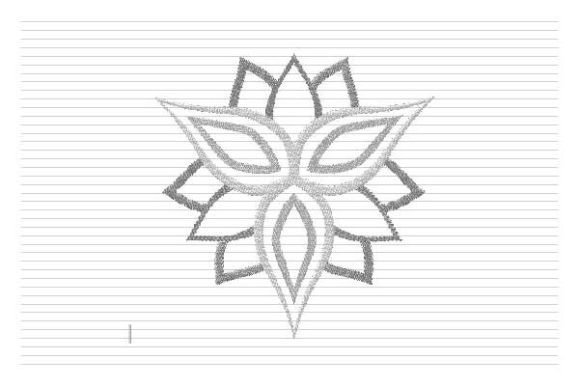
The moment you open the Lotus Embroidery Pattern Flower, the aesthetic is immediately calming yet sophisticated. The lotus flower has long been a symbol of purity, rebirth, and resilience, making it a timeless choice for decorative items. Unlike many busy floral designs that rely on heavy fills to create impact, this design leans into the elegance of line work and negative space. It feels airy and refined, which suggests it will perform exceptionally well on delicate fabrics or as a focal point on structured garments.
From a designer’s perspective, the "outline" nature of this file is its greatest strength. It allows for versatility in thread selection. You aren’t locked into one specific color palette; instead, the design invites you to experiment with metallic threads for a luxurious touch or soft pastels for a nursery theme. The intricate details mentioned in the product description suggest a high level of craftsmanship in the digitizing process, promising a finished product that looks professional rather than amateurish.
Real-World Application: Where Does This Design Fit?
I evaluated how this embroidery file translates from screen to fabric across several common handmade product categories. Here is how I see it performing in actual production:
- Tote Bag Design and Apparel: The lotus motif works beautifully on canvas tote bags. Because the design likely utilizes a combination of satin stitch for outlines and perhaps some fill stitches for texture, it holds up well against the rugged texture of canvas. On custom apparel like sweatshirt embroidery, placing this on the chest pocket or centered on the back creates a boutique-level look.
- Baby Items and Nursery Decor: For baby blankets or crib bumper pads, the gentle curves of the lotus are soothing. When used on white or cream muslin, the design pops without being overwhelming. It adds a sense of calm to nursery decor, fitting perfectly with modern minimalist aesthetics.
- Kitchen Towels and Aprons: This is a surprisingly strong use case. A lotus design on a linen kitchen towel adds a touch of elegance to everyday chores. Similarly, on an apron, it serves as a welcoming focal point. The design’s scalability means it can be resized to fit smaller towels or larger apron bibs without losing its integrity.
- Embroidered Patches and Caps: If you sell embroidered patches, this design offers a clean edge definition that helps with trimming and finishing. For caps, the curved surface can be tricky, but a well-balanced floral outline often conforms nicely to the front panel of a baseball cap, especially when stitched with a proper backing stabilizer.
Technical Considerations and Stitch Performance
While the visual appeal is undeniable, any experienced embroiderer knows that the devil is in the details. When reviewing the Lotus Embroidery Pattern Flower, there are several technical aspects to consider to ensure your finished product meets commercial standards.
Stitch Density and Hoop Size
One of the primary concerns with outline-based designs is ensuring they don’t look sparse or wobbly. You must check the stitch density of the file. If the satin stitches are too narrow, they may not cover the fabric adequately, leading to a "see-through" effect. Conversely, if the density is too high, the fabric may pucker, especially on lightweight materials like silk or thin cotton blends. Always verify the recommended hoop size to ensure the design fits your machine’s capabilities without requiring excessive re-hooping.
Fabric Compatibility
This design requires careful fabric selection. On stretchy fabrics, such as jersey knits used for t-shirts, you must use a tear-away or cut-away stabilizer to prevent distortion. The lotus shape, with its potential for sharp curves, might pull if the fabric isn’t stabilized correctly. On dark fabrics, the contrast of the thread becomes critical. I recommend testing light-colored threads against dark backgrounds to ensure the outline remains crisp and legible.
Thread Color Contrast
Because this is an outline-focused design, thread choice is paramount. A single-color monochrome look can be striking, but multi-color variations allow you to highlight different parts of the flower. Ensure that your thread colors provide enough contrast against the base fabric. Low-contrast combinations (like beige thread on tan fabric) can cause the intricate details to disappear, diminishing the overall quality of the handmade product.
Impact on Product Value and Branding
Using high-quality digital assets like the Lotus Embroidery Pattern Flower directly influences buyer trust and perceived value. Customers browsing Etsy or craft fairs can often tell the difference between a generic, poorly digitized design and one that shows attention to detail. A clean, well-executed lotus flower suggests professionalism and care.
Furthermore, this design enhances product photography. The negative space inherent in outline designs provides a natural frame for other elements in your photo shoot, allowing you to style the item with complementary props like dried flowers, books, or coffee cups. This visual appeal can boost customer engagement and increase conversion rates for your online store.
Practical Steps Before Production
Before adding this design to your commercial inventory, I strongly advise following these practical steps:
- Test on Scrap Fabric: Never stitch directly onto your final product. Run a test stitch-out on the exact fabric type you plan to sell. This reveals issues with tension, stability, or thread breakage early.
- Inspect Small Details: Zoom in on the test sample. Are the small petals distinct? Is the center of the flower defined? If details are merging together, you may need to adjust thread colors or reduce the scale of the design.
- Confirm Licensing: While Creative Fabrica offers various licensing options, you must read the specific terms for this digital embroidery file. Ensure you have the right to sell physical items made with this design, especially if you are producing them at scale.
- Compare Mockups: Use printable mockups to visualize how the design looks on different products. Compare light and dark fabric simulations to make informed decisions about thread choices.
Final Thoughts
The Lotus Embroidery Pattern Flower is a versatile and aesthetically pleasing addition to any embroiderer’s library. Its elegant outline style makes it suitable for a wide range of projects, from personalized gifts to commercial embroidery pieces. By paying attention to stitch density, fabric stabilization, and thread contrast, you can transform this digital asset into a tangible product that delights customers. For designers seeking a reliable, beautiful, and adaptable machine embroidery design, this lotus pattern is certainly worth considering.