Embroidery Ethnic Floral Pattern Review
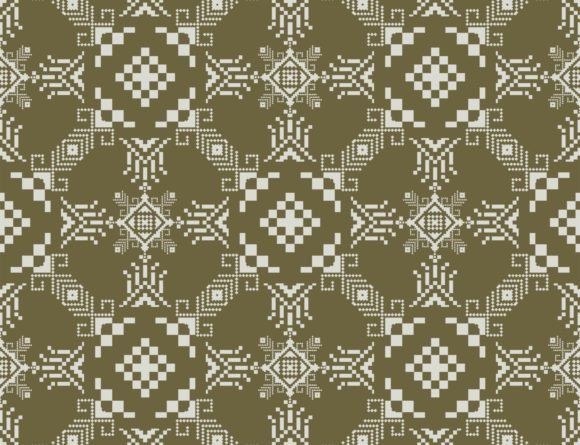
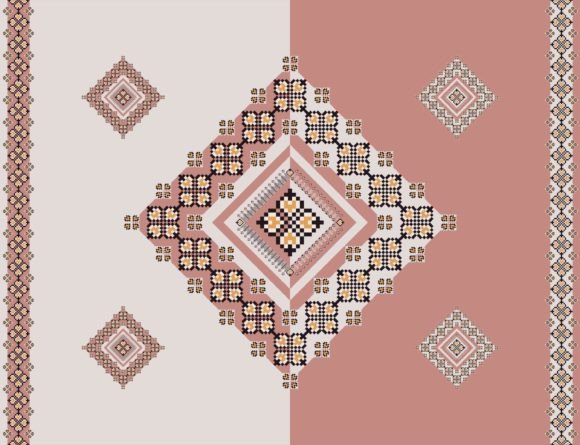
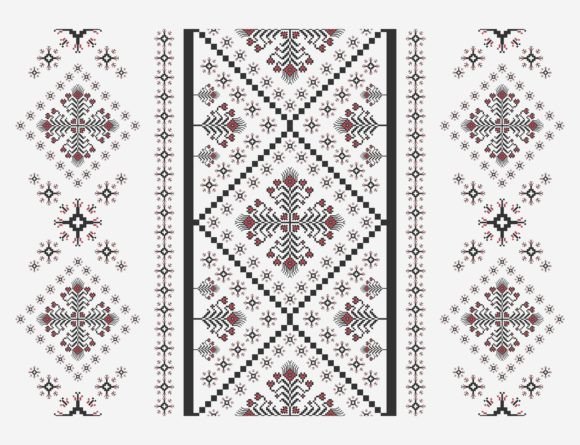
As an embroidery designer who spends half the year prepping for craft fairs and the other half refining digital assets, I know that the difference between a "nice" item and a "bestseller" often comes down to the design itself. You can have the finest organic cotton tote bag or the crispest linen apron, but if the embroidery doesn’t pop under booth lighting or feel substantial in hand, it will sit on the table while customers walk past. This week, I am reviewing the Embroidery Ethnic Floral Pattern, a geometric floral cross-stitch style asset described as a vector ethnic geometric floral pixel art seamless pattern on a white background. My goal here is to evaluate this Patterns category Graphics product specifically through the lens of a handmade market seller. Will this Embroidery Ethnic Floral Pattern drive sales at your weekend booth? Let’s dig into the practicalities.
First Impressions: The Visual Impact
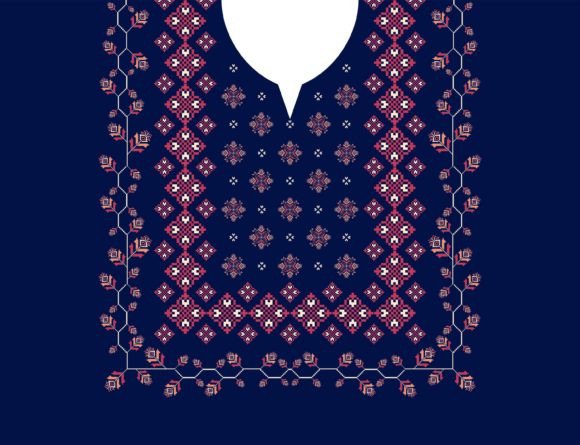
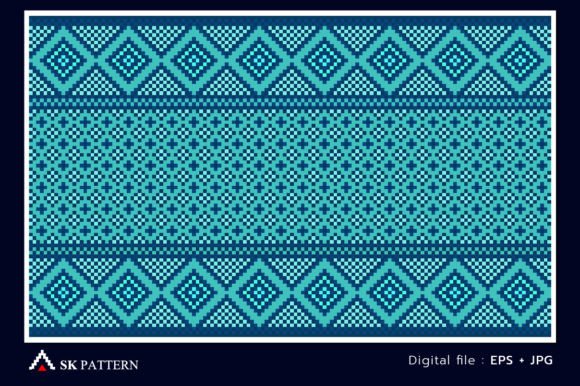
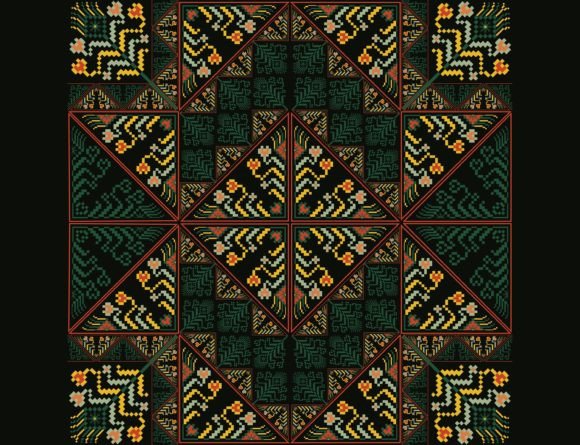
When you first load a new embroidery file into your digitizing software or preview it as a digital embroidery file, the immediate reaction sets the tone for your entire collection. The description of this design highlights its nature as a geometric floral embroidery cross stitch pattern. This is crucial because it suggests a distinct aesthetic that bridges the gap between traditional folk art and modern pixel art trends. Unlike soft, watercolor-style florals that can look delicate but sometimes lack presence, this Embroidery Ethnic Floral Pattern likely carries a bold, structured energy.
In the context of a craft fair, visual hierarchy matters. Customers scan tables from left to right. A design with strong geometric lines and clear ethnic motifs tends to catch the eye faster than intricate, low-contrast shading. Because this is described as having a "pixel art" quality, it implies sharp edges and high contrast, which translates beautifully to thread work. It feels modern yet rustic, fitting perfectly into the current demand for handmade products that offer a touch of bohemian elegance without being overly ornate. For an Etsy seller or boutique maker, this design offers a versatile mood—it can be playful, decorative, and premium all at once.
Product Applications: Where Does It Shine?
The true test of any machine embroidery design is its adaptability across different craft fair products. I evaluated how the Embroidery Ethnic Floral Pattern might perform on the standard inventory of a serious handmade vendor.
- Tote Bags: This is perhaps the strongest candidate. A tote bag design benefits greatly from the repetitive nature of a seamless pattern. Whether placed centrally on a canvas bag or repeated along the side seams, the geometric clarity will stand out against the texture of heavy cotton. It creates a small shop product that looks custom-made rather than mass-produced.
- Aprons and Tea Towels: Kitchen textiles are impulse buys at markets. An apron embroidery featuring this pattern adds a focal point that draws attention to the chest area, where buyers naturally look. Similarly, tea towel embroidery allows the pattern to act as a border or a central medallion. The crisp lines of the ethnic floral motif will contrast nicely with the weave of linen or cotton towels.
- Caps and Patches: Structured items like baseball caps present a challenge due to their curved surfaces. However, geometric designs often tolerate curvature better than free-flowing organic shapes. If used as an embroidered patch sewn onto denim jackets or beanies, the pattern’s defined edges ensure it remains legible even when stitched onto thick fabric.
- Pillow Covers and Pouches: For home decor items, the seamless nature of the pattern allows for full-coverage fills or elegant borders. On small fabric pouches, it serves as a striking accent that elevates the perceived value of the item.
Production Practicality and Booth Display
From a production standpoint, efficiency is money. When preparing for a busy market day, you need designs that run reliably and photograph well. The Embroidery Ethnic Floral Pattern appears to be built on a grid-like structure (implied by "pixel art" and "cross stitch"), which generally means fewer complex jumps and trims compared to dense satin stitches. This can lead to faster hooping times and reduced thread breaks.
Photography is another critical factor. In online listings and social media posts, details get lost. A design with strong geometric contrasts photographs exceptionally well because the light catches the texture of the thread differently against the background fabric. This makes creating a printable mockup for your digital marketing much easier. The pattern’s ethnic flair gives it a unique brand identity, helping your booth stand out among generic floral offerings.
However, we must address the "seamless" aspect. While great for continuous stitching, ensure you understand how the repeat aligns. Misaligned repeats can look sloppy on finished goods. Test the alignment carefully before committing to a batch production run.
Careful Use Notes and Technical Considerations
No design is perfect out of the box. As an experienced designer, I advise caution regarding several technical aspects of the Embroidery Ethnic Floral Pattern.
- Stitch Density and Clarity: Even though it is geometric, check the stitch density. If the design includes tiny details or very thin lines, they may disappear on textured fabrics like waffle-weave tea towels or thick denim. Always inspect the digitization for potential loss of clarity at smaller sizes.
- Fabric Texture Interaction: The interaction between the thread and the fabric is vital. On highly textured fabrics, the geometric precision might get lost. Stick to smoother weaves like duck canvas or tight-knit cotton for the best result.
- Thread Contrast: Because the pattern relies on shape definition, color choice is paramount. Low-contrast thread colors (e.g., light beige on off-white) will mute the ethnic geometric impact. Choose high-contrast combinations to maintain the boldness of the design.
- Hoop Size Constraints: Confirm the recommended hoop size for the design. If the pattern is large, ensure your machine can accommodate it without requiring excessive re-hooping, which can ruin alignment.
Designer’s Checklist for Success
Before you rush to produce these for your next event, follow this professional checklist to ensure the Embroidery Ethnic Floral Pattern delivers maximum value:
- Test on Scrap Fabric: Never go straight to the final product. Stitch the design on scrap pieces of your target fabrics to check tension and appearance.
- Check Thread Colors: Evaluate how the thread colors interact with your specific fabric choices. Adjust the palette if necessary to enhance the ethnic vibe.
- Review Spacing: Ensure there is adequate spacing between elements if the design is meant to be a single focal point, preventing a cluttered look.
- Confirm Stabilizer Needs: Geometric patterns can pull fabric. Use the appropriate stabilizer (cut-away for stretchy fabrics, tear-away for stable wovens) to prevent distortion.
- Create Real Mockups: Produce at least one real finished product to see how it looks in natural light. This helps in taking authentic photos for your Etsy listings.
- Verify Licensing: Most importantly, confirm commercial licensing terms. Just because you bought the design assets does not automatically grant the right to sell physical goods made from them. Check the license agreement provided with the Graphics package.
In conclusion, the Embroidery Ethnic Floral Pattern holds significant promise for craft fair sellers looking to add a distinctive, modern-rustic element to their inventory. Its geometric strength ensures visibility and durability, while its ethnic charm appeals to current consumer tastes. By paying attention to fabric selection, thread contrast, and proper stabilization, you can transform this digital embroidery file into a line of high-value commercial embroidery products that customers will want to take home. Treat it with care, test thoroughly, and let its bold geometry do the talking at your booth.