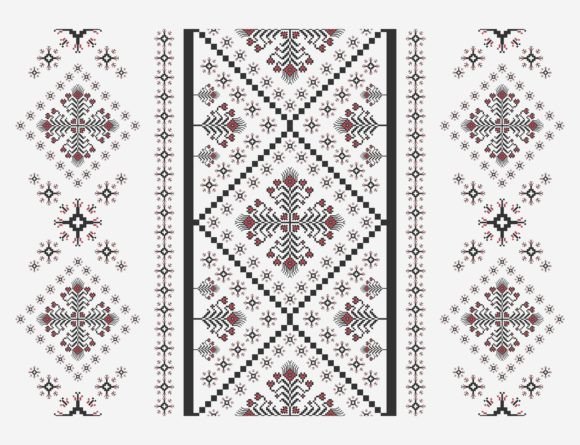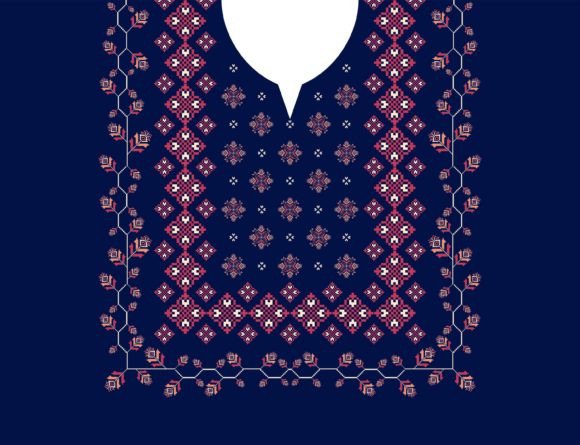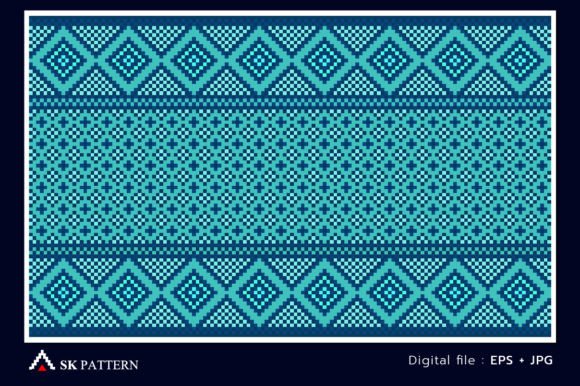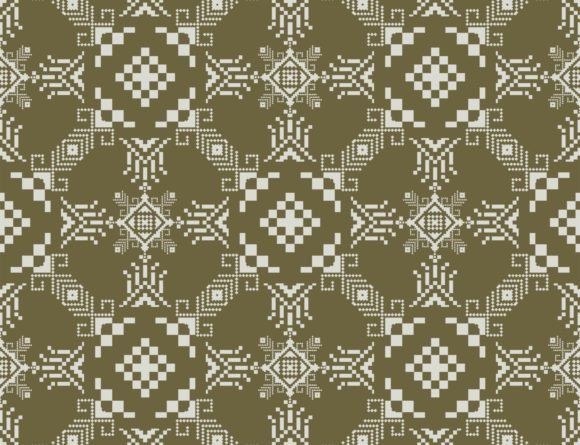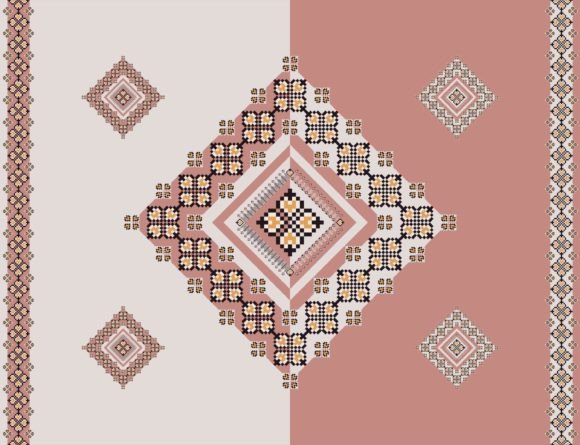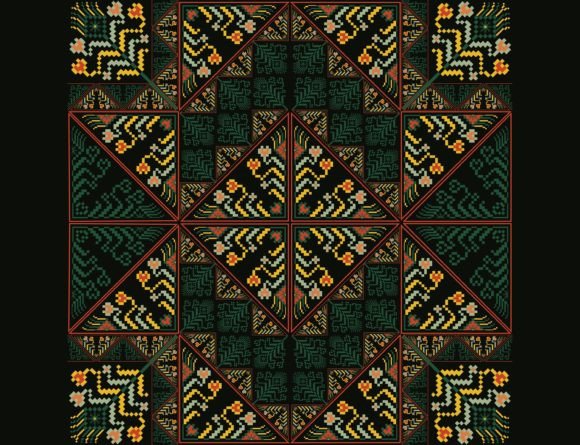
Embroidery Floral Patchwork Pattern
As an embroidery seller who spends hours testing designs for my small shop, I am always looking for that perfect balance between visual appeal and commercial viability. When browsing Creative Fabrica embroidery collections, I recently came across a design titled Embroidery Floral Patchwork Pattern. At first glance, the description—“Ethnic geometric floral embroidery patchwork pattern. Vector ethnic geometric floral stitch seamless pattern”—caught my eye. It promises something distinct: a blend of traditional ethnic motifs with structured geometry.
I decided to evaluate this embroidery file not just as a pretty picture, but as a potential product driver for my Etsy listings and craft fair inventory. Here is my honest assessment of how this machine embroidery design might fit into a handmade product line, what it sells best, and what practical steps you should take before listing it.
Visual Personality and Style Assessment
The core strength of this design lies in its name: patchwork. In the world of handmade goods, patchwork evokes feelings of warmth, heritage, and artisanal care. However, the addition of “geometric” and “ethnic” shifts the vibe away from purely rustic or shabby chic. Instead, it lands somewhere between modern bohemian and contemporary folk art.
This is not a delicate, lace-like floral embroidery design. It is bold. It has structure. For an Etsy seller, this distinction is crucial because it dictates your target audience. This design appeals to customers who appreciate cultural aesthetics, quilting traditions, and bold textile patterns. It feels premium rather than cute, making it suitable for adult-oriented gifts, home decor, and fashion items rather than just baby clothes (though it could work there too).
Best Suited Product Categories
Based on the seamless nature of the vector pattern and its geometric floral layout, I see several high-potential product avenues:
- Tote Bag Embroidery: A canvas tote bag is the perfect canvas for a large, striking tote bag design. The geometric elements will pop against natural cotton or denim backgrounds.
- Sweatshirt Embroidery: Placing this pattern on the back of a crewneck sweatshirt or across the chest can create a statement piece. The ethnic vibe pairs well with streetwear aesthetics.
- Kitchen Towel Embroidery: Because it is described as a seamless pattern, you can tile it effectively on larger kitchen towels or aprons. This adds a professional, boutique feel to everyday items.
- Pillow Covers and Home Decor: The design works beautifully as a central medallion or a repeating border on throw pillows, adding texture and color to living spaces.
- Embroidered Patches: If the design allows for clean edges, it can be digitized as a standalone patch for jackets or hats, expanding your reach into the custom apparel market.
Commercial Value and Market Appeal
Why would a customer choose a product featuring this specific pattern? The answer lies in the trend toward personalized and meaningful gifts. A generic floral print is common; an ethnic geometric floral motif feels curated and intentional.
When you list this on Etsy, you are selling more than just embroidery; you are selling a story of craftsmanship. The patchwork aesthetic suggests durability and timelessness. This helps the product feel more giftable and memorable. Buyers often look for items that look expensive but are actually accessible handmade goods. A well-executed stitch density in a geometric pattern gives the illusion of high-quality machine work, which justifies a higher price point.
Furthermore, this design supports seasonal collections. While it doesn’t scream “Christmas” or “Halloween,” its earthy, geometric tones can easily adapt to fall harvest themes or spring garden markets depending on your thread colors. By changing the background fabric and thread palette, you can keep this single digital asset relevant year-round.
Practical Seller Notes: Before You List
As an experienced seller, I cannot stress enough the importance of due diligence. Just because a design looks good on a screen does not mean it stitches out perfectly. Here is my checklist for evaluating any new digital embroidery file before committing to production.
1. Test Your Stitch-Outs
Never assume a design will run smoothly. Load the file into your hoop and stitch a sample. Pay close attention to the stitch density. Geometric patterns can sometimes become stiff if the fill stitches are too dense, or they may pucker if the underlay is insufficient. Check how the transitions between the floral elements and the geometric borders handle. If the design requires frequent trimming or re-hooping, consider whether that extra labor time is worth the final retail price.
2. Hoop Size and Readability
Confirm the recommended hoop size for this design. If it is a large seamless pattern, you need a machine with a sufficiently large embroidery field. Additionally, check the design at thumbnail size. On Etsy, your main image is small. Does the geometric detail hold up when viewed on a mobile screen? If the lines are too thin, they may disappear entirely. You might need to adjust the scale slightly larger to ensure the details remain visible in your photos.
3. Thread Color Strategy
The versatility of this design depends heavily on your thread colors. I recommend creating three distinct mockups:
- Earthy Tones: Rust, olive, cream, and brown for a rustic, bohemian look.
- Bold Contrasts: Navy, white, and gold for a striking, modern ethnic look.
- Pastels: Soft pink, mint, and lavender to soften the geometric edge for a lighter, feminine appeal.
Photograph these variations on real fabric. A black-and-white photo will not do justice to the nuance of the patchwork effect. Use natural light to show the texture of the stitches.
4. Stabilizer and Fabric Choice
Geometric patterns often require stable fabric bases to prevent distortion. I suggest using medium-weight cut-away stabilizer for woven fabrics like cotton or linen. If you are embroidering on knit fabrics like sweatshirts, ensure you use a tear-away or wash-away stabilizer that provides enough support without leaving residue. The choice of fabric also impacts the final look; a heavy denim will make the design feel rugged, while silk or rayon will make it feel elegant.
Licensing and Commercial Rights
One of the most critical aspects of sourcing from platforms like Creative Fabrica is understanding the license. Always review the Creative Fabrica licensing terms before selling finished goods. Typically, their embroidery licenses allow for the sale of physical items created using their designs, but there are often limits on the number of units you can sell per license, or restrictions on reselling the digital file itself.
Ensure you have the correct subscription or individual license that covers commercial use. Keep your receipts and license certificates organized. This protects your business and ensures you are operating ethically within the digital asset community.
Final Verdict
The Embroidery Floral Patchwork Pattern is a strong candidate for sellers looking to diversify their offerings beyond standard monograms and simple logos. Its unique blend of ethnic and geometric styles offers a fresh alternative in a saturated market. It works exceptionally well for handmade product lines focusing on home decor, fashion accessories, and personalized gifts.
If you are ready to test this design, start by creating a small batch of samples. Photograph them professionally, write compelling descriptions that highlight the “patchwork” and “ethnic” qualities, and watch how your audience responds. With careful execution and proper planning, this graphics asset can become a staple in your craft business collection.