Blue Embroidery Cross Stitch Continuous Review
As an embroidery designer who spends hours refining stitch paths and selecting thread palettes, I am always looking for assets that can streamline my workflow without sacrificing quality. When I first came across the Blue Embroidery Cross Stitch Continuous on Creative Fabrica, it caught my eye not just for its color, but for its structural potential. I decided to put this design through a rigorous evaluation process to see if it holds up in real-world commercial applications, from custom apparel to home decor items.
First Impressions and Visual Mood
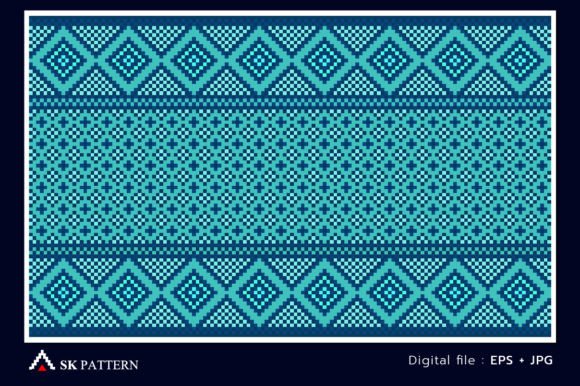
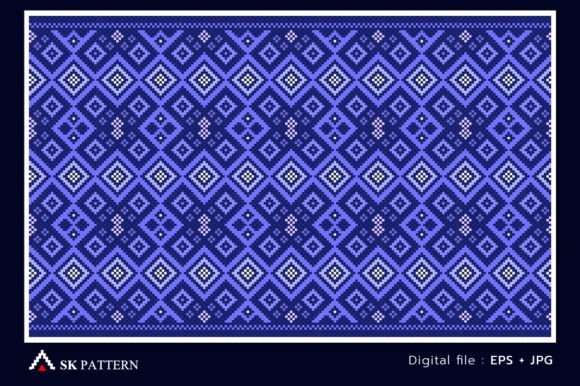
The immediate visual appeal of Blue Embroidery Cross Stitch Continuous lies in its clean, geometric rhythm. Unlike complex pictorial designs that require intricate digitizing, this piece relies on the timeless texture of cross-stitch patterns. The continuous nature of the motif suggests versatility—it feels less like a static image and more like a border or a repeating field that can adapt to various product shapes. The blue tones are cool and calming, making it particularly suitable for nursery items, spa-themed gifts, or minimalist modern home decor.
For designers working with Patterns and Graphics, the value here is in the simplicity. It offers a high-end look without the heavy file complexity often associated with detailed machine embroidery designs. It strikes a balance between decorative and functional, which is crucial when designing for mass-market handmade products.
Real-World Application Scenarios
I evaluated how this design might perform across several common product categories used by Etsy sellers and boutique owners.
- Tote Bags and Canvas Totes: A tote bag design benefits greatly from structured patterns. The continuous line work of this design could frame the edges of a canvas tote beautifully, creating a professional finish that looks custom-made rather than stamped.
- Kitchen Towels and Aprons: For kitchen textiles, durability and aesthetics matter. This design works well as a central medallion or a repeated border on flour sack towels. The blue theme complements the crisp white or neutral tones often found in kitchen linens.
- Baby Items and Nursery Decor: Soft blues are a staple in baby gear. Using this as an embroidered patch style element on a onesie or as a large-scale print on a crib sheet (if adapted correctly) adds a touch of elegance. It avoids the clutter of busy cartoons while remaining visually interesting.
- Sweatshirt Embroidery: While cross-stitch is traditionally hand-done, digital versions can mimic the texture using specific fill stitches. On a sweatshirt, this design would serve as a sophisticated chest logo or a back yoke accent, appealing to customers seeking understated luxury.
- Pillow Covers and Wall Art: As noted in the product description, this is perfect for wall art and cushions. The continuous pattern allows for easy scaling to fit standard pillow sizes without awkward cropping, ensuring a balanced composition in your final product photography.
Technical Performance and Practical Considerations
When integrating any digital embroidery file into a production workflow, technical details are paramount. Here is what you need to consider when preparing to use Blue Embroidery Cross Stitch Continuous.
File Formats and Conversion
The product includes 1 EPS file and 1 JPG. It is important to note that these are vector and raster formats, not native machine embroidery files (like .PES, .DST, or .EXP). This means you will likely need to trace the EPS vector in software like Wilcom, Pulse, or Hatch to create a true machine embroidery design. Alternatively, you can use the JPG as a reference for manual digitizing or for printing transfers onto fabric. If you are looking for a ready-to-stitch embroidery file, you must verify if the creator provides a converted version or if you are expected to digitize it yourself. Always check the product details page on Creative Fabrica for specific file compatibility.
Stitch Density and Hoop Size
Cross-stitch simulations can become dense quickly. Before committing to a full production run, test the design on scrap fabric to assess the stitch density. High density can cause puckering, especially on lightweight fabrics like cotton tees or thin linen. Ensure your hoop size accommodates the largest repeat of the continuous pattern. If the design is too wide for your machine’s maximum hoop, you may need to split the design or use a larger multi-head machine, which impacts your cost per unit.
Fabric and Stabilizer Selection
The choice of base material significantly affects the outcome. On stretchy fabrics like jersey knit, a cut-away stabilizer is essential to prevent distortion. On woven cottons, a tear-away may suffice for lighter densities. Dark fabrics require careful thread selection; you may need to use a backing or underlay to ensure the blue threads pop and do not show through the weave. Always compare light and dark fabric mockups during the prototyping phase to ensure consistent visual appeal.
Impact on Product Value and Branding
In the competitive world of commercial embroidery, presentation is key. A well-executed cross-stitch pattern conveys craftsmanship and attention to detail. Using Blue Embroidery Cross Stitch Continuous can elevate a simple item into a perceived premium good. Buyers often associate intricate patterns with higher quality, even if the underlying technique is digitally simulated.
This design supports brand consistency. Its clean lines and monochromatic or limited palette allow it to fit seamlessly into a cohesive product line. Whether you are selling personalized gifts or standalone handmade products, the design adds a layer of sophistication that resonates with customers looking for unique, artisanal touches.
Final Verdict and Recommendations
Blue Embroidery Cross Stitch Continuous is a strong asset for designers who enjoy the aesthetic of traditional cross-stitch but need the efficiency of digital tools. Its versatility makes it suitable for a wide range of applications, from custom apparel to home textiles. However, success depends on proper preparation.
To get the best results:
- Digitize Carefully: If converting from EPS, pay close attention to thread colors and stitch types. Use satin stitches for borders and fill stitches for areas that need texture.
- Test Rigorously: Never skip the test stitch. Inspect small details after stitching to ensure they remain sharp and defined.
- Check Licensing: Review the licensing terms on the Creative Fabrica product page before selling finished items. Ensure you have the right to use the design commercially.
- Create Mockups: Use the provided graphics to create realistic printable mockups for your online store. This helps buyers visualize the final product and reduces return rates due to mismatched expectations.
If you are willing to invest the time in proper digitization and testing, this design offers excellent value. It bridges the gap between graphic design and textile art, offering a fresh take on a classic motif. For those building a library of design assets, adding this versatile blue cross-stitch pattern is a smart move for any serious embroidery business.