Blue Embroidery Flowers Digital Papers Review
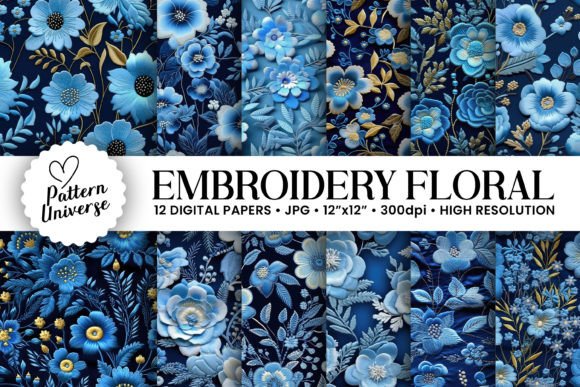
As an embroidery designer who spends most of my days troubleshooting tension issues and optimizing stitch paths, I don’t just look at a design; I evaluate its production viability. When I first encountered the Blue Embroidery Flowers Digital Papers, my initial instinct was to categorize it strictly as a graphic asset for print-on-demand or scrapbooking. However, the potential for adapting these seamless patterns into tangible merchandise is significant. For small business owners, Etsy sellers, and branding specialists looking to elevate their product lines, understanding how a digital pattern translates into a physical embroidered patch or custom apparel detail is crucial.
This review breaks down the professional application of Blue Embroidery Flowers Digital Papers, focusing on its utility in commercial settings rather than just decorative craft projects. We will explore how this set of 12 seamless patterns can serve as a foundational element for brand identity, staff uniforms, and boutique merchandise.
First Impressions: Visual Personality and Brand Alignment
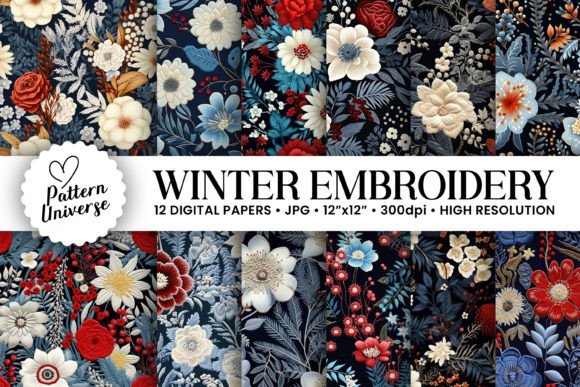
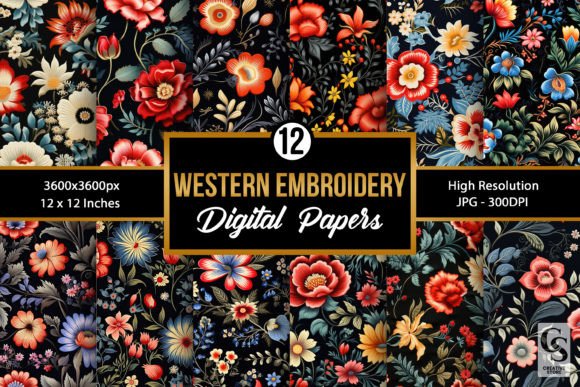
The title suggests a collection of twelve distinct patterns featuring floral motifs in varying shades of blue. From a design perspective, blue is a color that evokes trust, calm, and professionalism, making it an excellent choice for corporate gifts, healthcare uniforms, or boutique retail branding. The "flowers" aspect introduces a touch of organic warmth, balancing the cool tone with a sense of approachability.
When reviewing these design assets, the immediate question is whether they feel premium or generic. A well-executed floral pattern can signal high quality and attention to detail. If the lines are clean and the composition balanced, these designs have the potential to enhance the perceived value of a handmade product. They work particularly well for businesses in the lifestyle, wellness, florist, or artisanal food sectors where a soft yet polished aesthetic is desired. However, if the pattern is too intricate or busy, it may lose its impact when scaled down for smaller applications like cap logos or shirt chest accents.
Real-World Business Applications
The true test of any machine embroidery design is its versatility across different products. Here is how Blue Embroidery Flowers Digital Papers can be integrated into various small business merchandising strategies:
- Embroidered Patches: One of the most popular uses for floral patterns is creating custom patches. These can be sewn onto denim jackets, canvas totes, or leather goods to add a unique flair. The seamless nature of the pattern allows for creative cropping, enabling designers to isolate specific flower clusters for a focal point on a patch.
- Staff Uniforms and Aprons: For cafes, bakeries, or boutiques, consistent branding is key. A subtle floral border embroidered along the hem of an apron or on the pocket of a work shirt can reinforce brand recognition without overwhelming the wearer. This is especially effective for creating a cohesive team look that feels friendly and inviting.
- Cap Embroidery: Caps are a staple in promotional merchandise. While a full seamless pattern might be too dense for a standard six-panel cap front, using a segment of the blue flower design as a side logo or back accent can create a stylish, branded accessory. It adds a feminine touch to what is often a unisex item.
- Tote Bag Design: Canvas tote bags are excellent canvases for larger embroidery projects. The durability of the fabric pairs well with the density often required for floral designs. A large-scale reproduction of one of the 12 patterns can turn a simple tote into a statement piece that customers are proud to carry, effectively serving as a walking billboard for your brand.
- Product Packaging Accents: Beyond clothing, these designs can be adapted for woven labels or hang tags. A small, embroidered flower motif attached to gift boxes or product packaging adds a tactile element that elevates the unboxing experience, fostering customer loyalty and engagement.
Where Caution Is Required
Not every application is suitable for every design complexity. As a designer, I advise caution when considering the following scenarios:
- Small Patch Sizes: If you plan to embroider a tiny version of the pattern (under two inches), intricate details may become muddy. Simplify the design by isolating single blooms or reducing the number of colors to ensure clarity.
- Curved Surfaces: Embroidering flat patterns onto curved items like caps or sleeves requires advanced digitizing techniques. Distortion can occur if the design is not properly adjusted for the curvature of the garment.
- High Stitch Density: Floral designs often require fill stitches to achieve a lush look. On delicate fabrics, this can cause puckering. Always test on the actual fabric type before committing to bulk production.
- Dark Uniforms: Blue flowers on dark navy or black backgrounds may lack contrast depending on the specific shade of blue used. Lighter blues may get lost, while darker blues might blend in. Consider using a contrasting thread color or adding a light underlay to make the design pop.
Impact on Brand Identity and Customer Trust
In the competitive world of small business, visual consistency is paramount. Using a cohesive set of digital embroidery files across multiple touchpoints—from social media graphics to physical products—builds a strong brand identity. When customers see the same blue floral motif on a tote bag, a hat, and a greeting card, it reinforces brand recall.
Furthermore, embroidered details convey a sense of permanence and quality that printed graphics cannot match. Customers perceive embroidered items as more durable and valuable. By incorporating Blue Embroidery Flowers Digital Papers into your merchandise, you are signaling that your brand cares about craftsmanship. This perception directly influences buyer engagement and can justify a higher price point for your finished product.
Practical Notes for the Embroidery Designer
Before integrating these patterns into your commercial workflow, consider the following technical steps:
- Test in Black and White: Convert the digital paper to grayscale to check the contrast and balance of the elements. If the design looks cluttered in monochrome, it will likely struggle in color.
- Check Thread Color Contrast: Select thread colors that provide sufficient contrast against your target fabric. Blue threads vary widely; ensure the chosen shade stands out appropriately.
- Inspect Spacing and Hoop Size: Determine the maximum hoop size available in your studio and ensure the pattern scales correctly within those dimensions. Avoid designs that are too wide for standard hoops unless you have multi-hooping capabilities.
- Use Proper Stabilizer: The choice of stabilizer (cut-away vs. tear-away) depends on the fabric and the final use. For stretchy knaps or frequently washed items, a cut-away stabilizer is essential to maintain the integrity of the embroidery file.
- Create a Printable Mockup: Before investing in thread and fabric, create a printable mockup to visualize the design on the actual product. This helps in client approval processes and reduces waste.
- Confirm Commercial Licensing: Most importantly, verify the licensing terms of the Blue Embroidery Flowers Digital Papers. Ensure you have the right to use these graphics for commercial merchandise. Without proper rights, you risk legal issues and loss of revenue.
In conclusion, Blue Embroidery Flowers Digital Papers offers a versatile foundation for small business branding. With careful consideration of scale, fabric, and licensing, these designs can transform from simple digital assets into powerful tools for building a professional, trustworthy, and visually appealing brand presence.