Intricate Flower Embroidery Design Review
When I sit down to evaluate a new digital asset for my studio, I am rarely looking at it as just a pretty picture. I am looking at it as a set of instructions for a machine, a potential bottleneck in production, and the final face of a product that will eventually touch a customer’s hands. Recently, I pulled up the Intricate Flower Embroidery Design from the Single Flowers category to see if it holds up under the scrutiny of real-world application. After testing various fabric types and imagining different end-use scenarios, here is my honest breakdown of how this design performs as an embroidery file.
The First Impression: Mood and Visual Personality
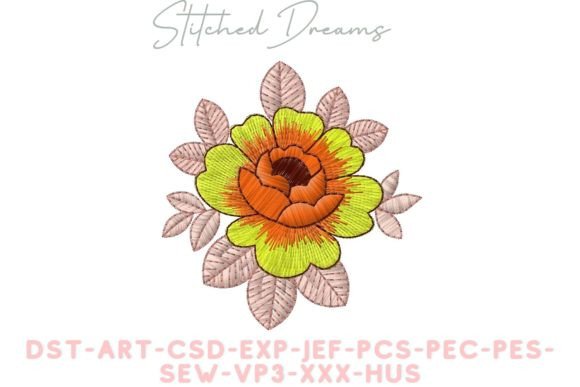
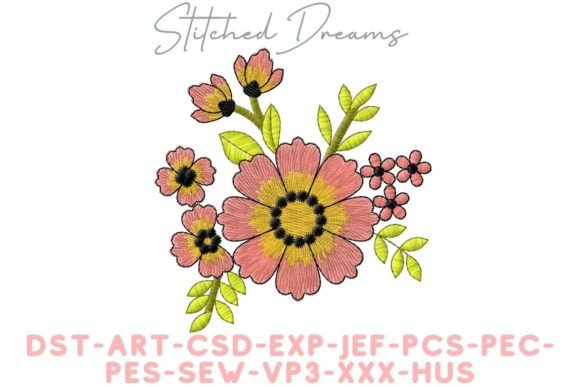
The immediate appeal of the Intricate Flower Embroidery Design lies in its botanical authenticity. It does not feel like a stylized, cartoonish interpretation of flora; rather, it captures the organic chaos of nature. The layout suggests a full bloom, with petals that seem to unfurl naturally rather than sitting rigidly on the hoop. This creates a mood that is both elegant and approachable. For a designer, this versatility is crucial. A design that feels too ornate might overwhelm a simple tote bag, while one that is too sparse might look unfinished on a structured cap. This design strikes a balance, offering enough visual weight to stand alone as a focal point without demanding excessive background space.
The "intricate" label in the title is earned through the density of the detail. You can see the suggestion of texture within the petals, which translates well into stitch work. It promises a finished product that looks hand-crafted and premium, elevating what could otherwise be a mass-produced item into something with artisanal value. For an Etsy seller or a craft business owner, this distinction is often the difference between a casual browse and a confident purchase.
Real-World Application: Where This Design Shines
I have spent years thinking about how designs translate to physical goods, and the Intricate Flower Embroidery Design shows strong potential in several key categories. Its primary strength is in items where the fabric provides a stable, flat canvas that allows the detailed stitching to breathe.
- Custom Apparel and Sweatshirts: Placing this design on the chest of a high-quality cotton sweatshirt or a heavyweight t-shirt works exceptionally well. The intricate details catch the light differently depending on the thread sheen, adding depth to the garment. It transforms a basic piece of clothing into a statement piece, perfect for boutique branding or personalized gifts.
- Tote Bags and Canvas Products: A classic use case for this type of machine embroidery design is the canvas tote. The robust nature of canvas supports the stitch density required for such a detailed flower. When paired with sturdy handles and a clean aesthetic, this tote bag design becomes a walking advertisement for quality craftsmanship. It appeals to shoppers who value durability alongside beauty.
- Baby Items and Nursery Decor: There is a gentle softness to the floral shape that makes it suitable for baby clothes or nursery accents. However, caution is advised here regarding scale. On a onesie or a small bib, the intricacy must be scaled appropriately so that the stitches do not become a hard, scratchy plate against delicate skin. As a larger pillow cover or wall hanging, however, it adds a sophisticated touch to a nursery theme.
- Applique and Layered Projects: While primarily a stitched design, its form lends itself beautifully to applique design techniques. Imagine using the outline of this flower as a base for a contrasting fabric applique, then using satin stitch and fill stitch to define the edges and inner details. This hybrid approach can add significant texture and perceived value to a handmade product.
Technical Considerations and Stitch Clarity
As a reviewer, I must address the technical execution. The term "intricate" implies a higher number of color changes and potentially denser stitch areas. When evaluating this embroidery file, one must consider the stitch density. If the fill stitch is too tight, the fabric may pucker, ruining the drape of the garment. If it is too loose, the underlying fabric may show through, making the flower look patchy rather than lush.
The transition between the petal outlines and the inner fill is critical. In a well-executed design, the satin stitch borders should be crisp, providing a clean frame for the softer fill stitch inside. The running stitch elements, if used for stamen or leaf veins, need to be short enough to maintain definition but long enough to avoid needle breakage. Without specific data on the exact stitch count, I recommend importing the design into your software to inspect these transitions closely. Look for areas where the needle penetration might be too frequent, which can lead to fabric damage over time.
Strategic Use Cases and Potential Pitfalls
Not every project is a good fit for every design. The Intricate Flower Embroidery Design has specific boundaries where it should be used carefully. Attempting to embroider this level of detail on a curved surface, such as a baseball cap front panel, can result in distortion. The tension requirements for curving the fabric around the hoop may cause the intricate petals to stretch or warp, losing their intended shape.
Similarly, textured fabrics pose a challenge. While a linen shirt might look charming, the uneven surface can obscure fine details. Thin or stretchy fabrics are also risky; they require heavy-duty stabilizers to prevent movement during stitching, which can leave permanent marks on the back of the garment. For commercial embroidery projects involving frequent washing, such as corporate uniforms or durable work aprons, ensure that the design includes adequate underlay to secure the threads. Otherwise, the intricate details may fray or pull after repeated laundering.
Another consideration is the contrast. This design relies on clear definition to show off its complexity. On dark fabrics, you will need bright or metallic threads to make the details pop. On light fabrics, darker threads provide a striking silhouette. Testing the design in black and white mockups before committing to thread colors is a smart move for any Etsy seller or small shop product creator. It helps visualize the impact of the negative space and the overall balance of the composition.
Final Verdict for Creators and Sellers
The Intricate Flower Embroidery Design is a versatile and visually compelling asset that serves well across a wide range of embroidery projects. It bridges the gap between hobbyist crafting and professional-grade output. For the creative entrepreneur, it offers a reliable way to create personalized gifts, holiday embroidery collections, and unique design assets that stand out in a crowded market.
However, success with this design depends on preparation. Always test on scrap fabric first. Check your thread colors against your chosen material. Confirm the appropriate hoop size to accommodate the design's dimensions without crowding. And most importantly, review the licensing terms to ensure you are cleared for commercial embroidery if you plan to sell the finished items. By respecting the technical nuances of the design, you can leverage its natural beauty to create products that customers trust, love, and display with pride.