Spring Flowers Embroidery Design Review
As a designer who spends more time troubleshooting stitch density than drinking coffee, I approach every new digital asset with a mix of curiosity and skepticism. When Spring Flowers Embroidery Design landed on my desk, I didn’t just see a pretty picture; I saw potential finished products, potential headaches, and the critical balance between aesthetic appeal and technical execution. This review isn’t about how the design looks in a preview window—it’s about how it behaves when the needle is actually moving through fabric.
The First Impression: Mood and Visual Personality
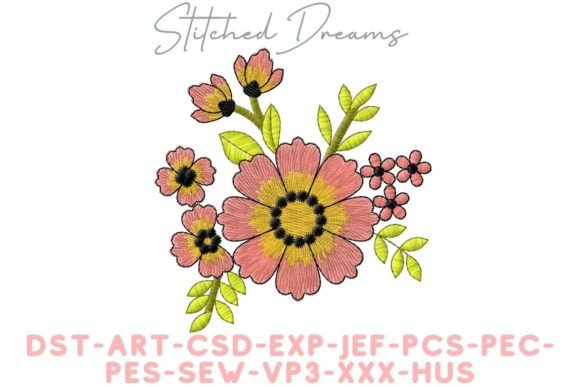
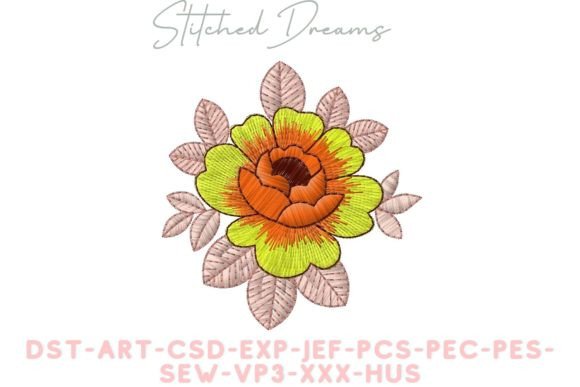
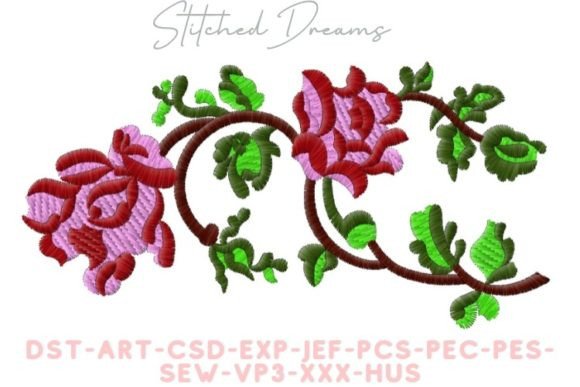
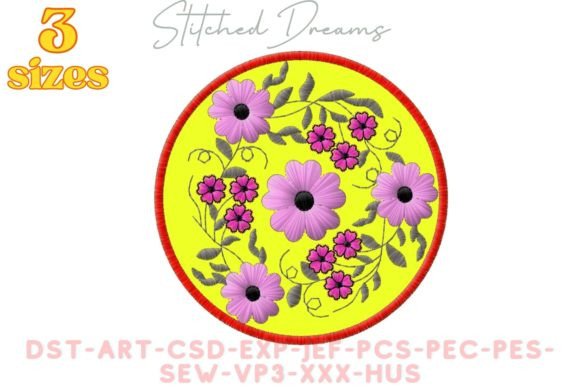
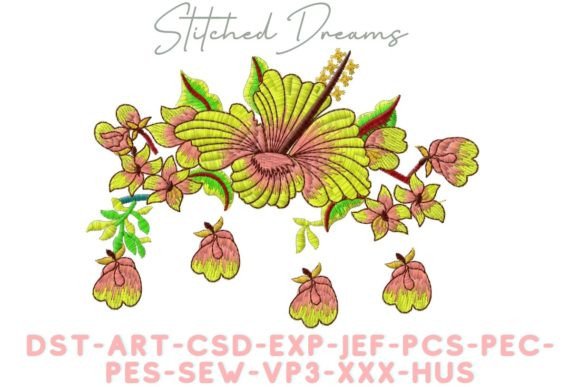
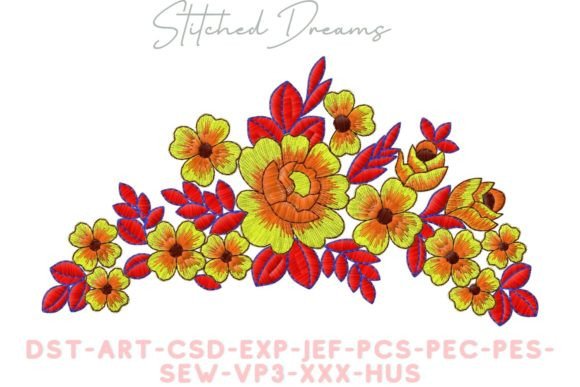
The moment you open the file for Spring Flowers Embroidery Design, the visual personality is immediately clear. It is not a bold, graphic statement piece meant to shout from a distance. Instead, it whispers. The composition relies on intricate and delicate elements, creating a mood that is soft, romantic, and highly refined. For designers targeting the boutique market or those creating personalized gifts, this distinction is vital. A loud, heavy design might overwhelm a small tote bag, but these delicate floral details can elevate a simple canvas item into something that feels curated and expensive.
The focal point of the arrangement draws the eye naturally, while the surrounding array of beautiful flowers, leaves, and ornaments provides enough texture to keep the viewer engaged without causing visual clutter. In the world of handmade product creation, this level of detail suggests a higher perceived value. Customers are willing to pay a premium for items that look like they required skill and patience to produce, and this embroidery project delivers exactly that impression.
Real-World Application: Where This Design Shines
I have spent years testing designs across various mediums, and Spring Flowers Embroidery Design finds its sweet spot in specific categories of custom apparel and home goods. It is not a one-size-fits-all solution, but where it fits, it fits beautifully.
- Custom Apparel and Sweatshirts: On a high-quality cotton sweatshirt, this design adds a touch of elegance that contrasts well with the casual nature of the garment. It works exceptionally well as a left-chest placement or a centered back print for a feminine, bohemian look.
- Baby Items and Nursery Decor: The delicate nature of the flowers makes this an ideal choice for baby embroidery projects. Think onesies, burp cloths, or nursery wall art. The softness of the theme aligns perfectly with the gentle aesthetic parents seek for their little ones.
- Home Textiles: I envision this design performing beautifully on tea towels, aprons, and pillow covers. The intricate details catch the light nicely on linen or cotton blends, adding a "handmade" charm that mass-produced printed goods simply cannot replicate.
- Etsy Seller Merchandise: For the digital product seller or Etsy seller looking to expand their catalog, this design offers versatility. It can be used for embroidered patches, tote bag designs, or even incorporated into larger composite designs for seasonal collections.
Technical Considerations and Stitch Behavior
Here is where we move from aesthetics to mechanics. As an experienced reviewer, I must highlight that the very quality of this design—its delicacy—requires careful handling during the digitizing and stitching process. Because it features intricate elements, the stitch density must be managed correctly. If the machine pushes too much thread into a tight area, you risk puckering, especially on lighter fabrics.
When evaluating the stitch density, designers should look closely at the transition between the satin stitch outlines and the fill stitch areas. The leaves and petals likely require a mix of techniques to achieve that realistic, textured look. Ensure your stabilizer choice matches the fabric weight. For stretchy knits, a cut-away stabilizer is non-negotiable to prevent distortion. For woven fabrics like canvas or denim, a tear-away may suffice, but a wash-away backing often provides the cleanest finish for such detailed work.
Another critical factor is the thread colors. The contrast between the thread and the fabric will determine whether those delicate details remain visible or get lost. On dark fabric, you will need bright, saturated threads to maintain clarity. On light fabric, muted or pastel tones will enhance the romantic mood. Always test your color palette before committing to a full production run.
Where to Exercise Caution
No design is perfect for every surface. There are several scenarios where Spring Flowers Embroidery Design might struggle, and knowing these limits is what separates a professional from an amateur.
- Small Hoop Sizes: If the design is scaled down too much, the intricate details may merge into a blurry blob. Avoid placing this on very small items like hat brims or tiny accessory bags unless you have verified the minimum readable size.
- Textured or Thick Fabrics: While it looks great on smooth cotton, trying to stitch this onto a thick terry cloth towel or a heavily textured wool blend can obscure the fine lines. The needle may struggle to penetrate dense piles, leading to skipped stitches.
- Curved Surfaces: Applying this to a cap or a curved bag handle requires advanced hooping techniques. The flat layout of the design may distort if not carefully adapted to the curve, potentially stretching the delicate flowers out of shape.
- Frequent Washing: If you are creating commercial embroidery items intended for daily wear or kitchen use, ensure the design has sufficient underlay to anchor the stitches. Delicate designs can sometimes unravel faster if the foundational stitches are weak.
Final Verdict for Creators and Sellers
Ultimately, Spring Flowers Embroidery Design is a strong asset for any creative entrepreneur who values refinement over boldness. It elevates the finished product by adding a layer of sophistication that resonates with buyers looking for quality. Whether you are a hobbyist making a personalized gift or a business owner expanding your craft business inventory, this design offers a reliable path to a polished result.
However, success depends on preparation. Do not skip the test stitch. Cut a scrap of your actual production fabric, apply your chosen stabilizer, and run the design. Inspect the small details under good lighting. Check for thread breaks, tension issues, or background show-through. Only after confirming that the machine executes the machine embroidery design flawlessly should you proceed to your final customer order.
If you are looking for a versatile, high-end feel for your next embroidery file collection, this design earns its place. It respects the craft, rewards the maker with a beautiful result, and satisfies the customer’s desire for something truly special. Just remember: the best embroidery doesn't just look good on screen; it holds up in the real world.