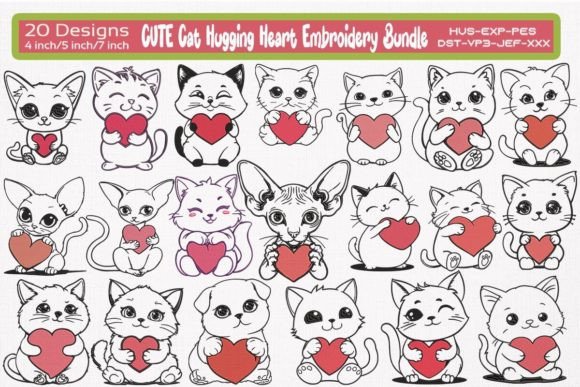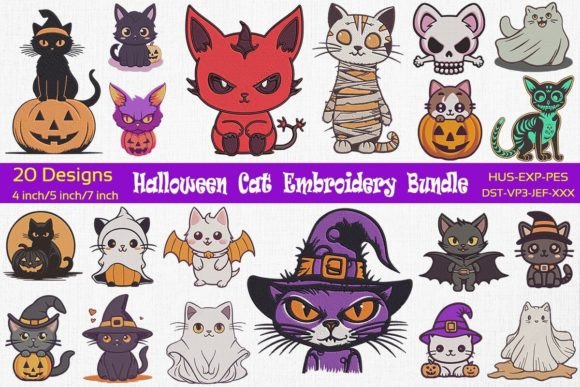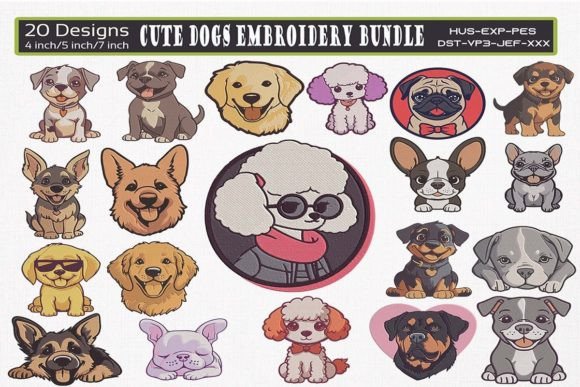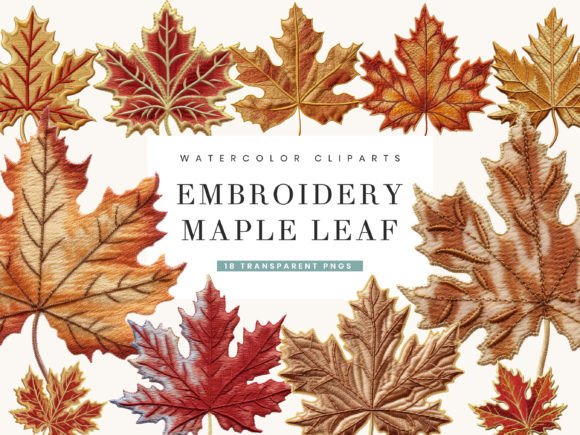
Reviewing the Embroidery Bundle for Real Projects
As a designer who spends more time staring at stitch density charts and fabric swatches than actually sleeping, I approach every new digital asset with a healthy dose of skepticism. The market is flooded with generic clipart disguised as embroidery files, and too often, what looks charming on a screen turns into a tangled mess under the needle. That is why I treat every review not just as an observation, but as a stress test. Today, I am putting Embroidery Bundle through its paces to see if it holds up in the real world of production, client work, and handmade commerce.
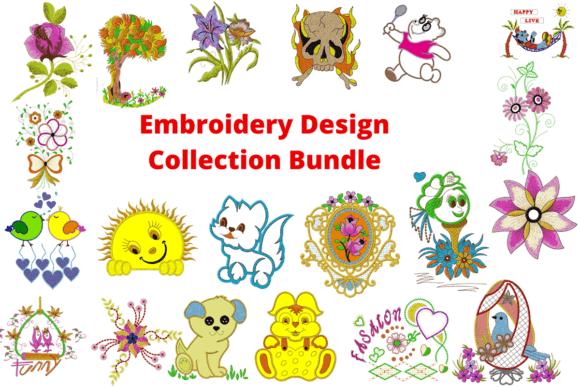
The premise is simple: try these amazing designs on home decor, clothes, accessories, bedsheets, or anything else. However, the fine print carries significant weight. Resizing or editing the design s is not recommended and, the quality of the design s cannot be guaranteed if you alter them. This constraint immediately signals that this product relies on precise original proportions. For those of us who love to tweak and customize, this might feel restrictive. But for designers looking for ready-to-stitch reliability, it suggests a level of intentional craftsmanship that we need to evaluate closely.
First Impressions and Visual Personality
When you first load the files from Embroidery Bundle, the visual personality is distinct. It does not scream for attention with overly complex, dense fills that require hours of machine time. Instead, it offers a balanced aesthetic that feels grounded and versatile. The shapes are clean, the layout is thoughtful, and there is a clear understanding of negative space. This is crucial because empty space allows the eye to rest and makes the embroidered elements pop against the fabric background.
The mood created by this collection leans towards cozy, artisanal, and timeless. It feels like something you would find in a curated boutique rather than a mass-produced big-box store. The detail level is high enough to convey texture and interest without becoming cluttered. For an embroidery project intended for resale, this balance is vital. You want the customer to appreciate the intricacy when they hold the item, but you do not want to spend three days stitching a single tote bag. The designs here respect both the maker’s time and the buyer’s wallet.
Real-World Application: The Tote Bag Scenario
To truly judge an embroidery file, you have to imagine it on a finished product. Let’s talk about a common scenario: preparing a custom embroidered tote bag for an Etsy listing. You are targeting busy professionals or students who want a durable, stylish accessory. You choose a heavy-duty canvas tote and decide to place the design near the top center, just below the handle attachment point.
This is where Embroidery Bundle shines. The design’s scale works beautifully within standard hoop sizes, allowing for a prominent placement that doesn’t overwhelm the bag’s structure. Because resizing is not recommended, the proportions remain intact, ensuring that no element looks stretched or squashed. When stitched, the contrast between the thread colors and the canvas fabric creates a sharp, professional look. Customers scrolling through their feeds will see a polished, high-quality image that suggests durability and style. It elevates a simple canvas bag into a handmade product with perceived value.
But it isn’t limited to bags. Imagine applying one of these designs to a soft cotton sweatshirt for winter. The fill stitch areas provide enough coverage to stand out against the fleece texture, while the running stitch accents add a delicate touch that prevents the embroidery from feeling too heavy or stiff. For a small business owner, this versatility means you can use one bundle to create multiple product lines—apparel, accessories, and home goods—maximizing your return on investment.
Where Caution Is Required
No design is perfect for every surface, and being honest about limitations is part of responsible design advice. While Embroidery Bundle is robust, there are specific situations where you must proceed with care.
- Small Hoop Sizes: If you are working on tiny items like baby socks or miniature patches, the inherent size of the designs in this bundle might be too large. Attempting to force a larger design into a small hoop often leads to clipping or loss of detail. Always check the hoop size requirements before committing.
- Textured and Stretchy Fabrics: Putting this design on a highly textured knit or a stretchy spandex blend can distort the stitches. The tension may pull the fabric unevenly, causing the satin stitch edges to wobble. For these materials, a rigid woven fabric is always safer.
- Curved Surfaces: Applying embroidery to caps or curved hat panels requires advanced hooping techniques. While the design itself is fine, the curvature can make flat elements look distorted if not stabilized properly. Test this carefully on scrap material first.
- Dense Stitch Areas: Although the density is well-managed, placing dense fill stitches directly next to each other on thin fabric can cause puckering. Use a proper stabilizer to support the fabric and prevent distortion during stitching.
Impact on Brand and Customer Trust
In the world of craft business and Etsy seller success, presentation is everything. A poorly executed embroidery job can ruin the perception of quality, regardless of how good the underlying idea was. Using a pre-tested, professionally structured design like Embroidery Bundle mitigates this risk. When the stitches are clean, the threads are balanced, and the alignment is precise, customers perceive the finished item as premium.
This translates directly to brand consistency. If you are building a shop around a specific aesthetic—say, rustic chic or modern minimalism—having a cohesive set of design assets ensures that your entire inventory looks like it belongs together. It builds trust. Buyers are more likely to leave positive reviews and return for more purchases when the physical product matches the printable mockup they saw online. The lack of need for editing also reduces human error; you aren’t accidentally stretching a logo or misaligning text, which keeps your output consistent batch after batch.
Practical Designer Notes for Success
Before you start stitching hundreds of units for a holiday rush, follow these practical steps to ensure the best results with Embroidery Bundle:
- Test on Scrap Fabric: Never go straight to your final product. Stitch the design on a piece of the same fabric type you plan to use. This reveals how the thread colors interact with the material and whether the stitch density causes any issues.
- Check Black and White Mockups: Convert your digital preview to grayscale. This helps you assess the contrast and legibility of the design independent of color bias. If it reads well in black and white, it will read well in full color.
- Inspect Small Details: Zoom in on the digital file. Are there tiny elements that might get lost in the stitching process? Ensure that the smallest details are large enough to be captured clearly by your machine.
- Confirm Licensing: Before selling any finished product or digital product, verify the license terms. Does the bundle allow commercial use? Can you sell unlimited quantities? Clarity here protects your business from legal headaches.
- Use Proper Stabilizer: The choice of stabilizer (cut-away, tear-away, or wash-away) can make or break the finish. Match the stabilizer to the fabric weight and the design’s complexity.
Final Verdict
Embroidery Bundle is a solid addition to any designer’s library, particularly for those who value efficiency and professional results. It avoids the pitfalls of over-complication and delivers designs that are ready for immediate production. By respecting the original proportions and avoiding unnecessary edits, you preserve the integrity of the artwork.
Whether you are creating personalized gifts for friends, stocking a craft fair booth, or expanding your small shop product line, this bundle provides the design assets needed to create compelling, high-quality embroidered items. Just remember to test thoroughly, choose the right fabrics, and let the design speak for itself. In a market saturated with noise, clarity and quality win every time.