Review: Embroidery Photo Stitch Thuja Cones for Business Merch
As an embroidery designer who has spent years translating visual concepts into stitch files, I approach every new design asset with a critical eye. For small business owners, Etsy sellers, and apparel decorators, the difference between a mediocre product and a premium brand lies in the details. Today, I am reviewing Embroidery Photo Stitch Thuja Cones, a design that promises to bring a touch of nature-inspired elegance to commercial projects. This review focuses on its viability for branded merchandise, embroidered patches, uniforms, and custom apparel.
First Impressions: Visual Personality and Aesthetic
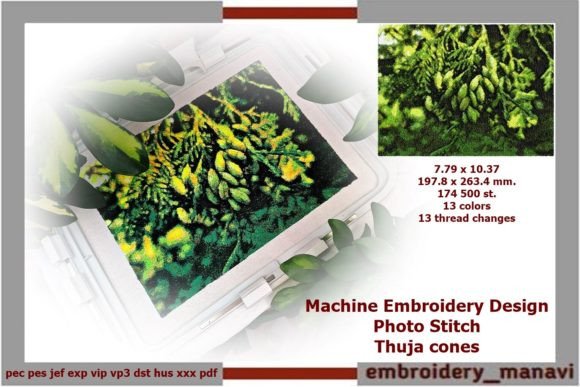
The title Embroidery Photo Stitch Thuja Cones immediately suggests a rustic yet refined aesthetic. Thuja cones are not just simple botanical elements; they carry a sense of organic texture and natural beauty. In the context of a machine embroidery design, this implies a piece that is likely detailed and visually engaging. The description hints at a "Fairyland" theme, which adds a layer of whimsy and charm. This makes the design particularly suitable for brands that want to project a friendly, handmade, or premium feel.
From a design perspective, the "photo stitch" technique often mimics photographic detail through varying thread densities and colors. For a small business, this means the final output can look sophisticated and high-value, elevating the perceived quality of your small business merch. Whether you are creating a logo for a boutique café, a patch for a florist, or a decorative accent for a pet brand, this design offers a balance of boldness and delicacy that appeals to a wide audience.
Real-World Application in Commercial Projects
One of the most common questions I receive from clients is whether a specific design will hold up in real-world use. Embroidery Photo Stitch Thuja Cones shows great promise across several key applications:
- Embroidered Patches: The intricate nature of the cone design makes it ideal for iron-on or sew-on patches. These can serve as excellent branding tools for denim jackets, tote bags, or caps. The detailed stitching ensures the patch stands out as a focal point rather than a background element.
- Staff Uniforms and Aprons: For cafes, bakeries, or creative studios, adding a subtle chest logo or sleeve detail can unify staff appearance while maintaining a unique brand identity. This design works well as a secondary accent on apron embroidery, adding a touch of personality without overwhelming the garment.
- Cap Embroidery: When adapted for hats, the circular or compact nature of a cone motif fits naturally on the front panel. It provides a distinctive mark that customers can recognize instantly, enhancing brand identity and customer trust.
- Tote Bag Design: Canvas tote bags are a staple for handmade products. Placing Embroidery Photo Stitch Thuja Cones on a tote bag creates a durable, stylish accessory that doubles as a walking advertisement for your brand.
- Product Packaging Accents: Beyond apparel, this design can be used on tags, labels, or even directly onto fabric gift boxes. It adds a tactile, luxurious element to unboxing experiences, which is crucial for Etsy branding and customer engagement.
Strategic Branding Benefits
Incorporating Embroidery Photo Stitch Thuja Cones into your product line does more than just decorate an item; it communicates values. The natural theme aligns well with eco-conscious, artisanal, or wellness-focused brands. It signals attention to detail and a commitment to quality. When customers see a well-executed embroidered patch or custom apparel featuring this design, they associate those qualities with your business. This visual consistency helps build recognition and professionalism, turning everyday items into valuable brand assets.
Technical Considerations and Potential Pitfalls
While the design has strong potential, there are areas where caution is required. As a designer, I always advise testing before production. Here are specific points to watch out for:
- Small Patch Sizes: If you plan to reduce the design for small logos, ensure the detail remains legible. Highly detailed photo stitch designs can sometimes lose definition when scaled down too far. Test the design at your intended final size to check for clarity.
- Stitch Density and Fabric Texture: High stitch density can make fabric stiff, which might be undesirable for soft garments like t-shirts or lightweight aprons. Conversely, on textured fabrics like burlap or heavy canvas, the design might get lost. Always consider the fabric texture when choosing placement.
- Thread Color Contrast: The success of a photo stitch design relies heavily on color contrast. Ensure your chosen thread colors stand out against the base fabric. On dark uniforms, light or metallic threads may be necessary to maintain visibility and impact.
- Curved Surfaces: When embroidering on cap fronts or curved items, distortion can occur. Use a proper hoop and stabilizer to minimize stretching. The complex nature of the cone pattern may require additional underlay stitches to keep the fabric flat.
- Washing Durability: For items that require frequent washing, such as work shirts or kitchen aprons, verify that the design’s structure will withstand wear and tear. Loose threads or excessive density can lead to pilling or snagging over time.
Practical Designer Notes for Production
To ensure the best results when using Embroidery Photo Stitch Thuja Cones for commercial purposes, follow these practical steps:
- Test in Black and White: Before committing to a full color palette, digitize or test the design in black and white. This helps evaluate the shape and balance of the design independent of color choices.
- Check Hoop Size: Confirm that the hoop size of the digital file matches your machine’s capabilities. If the design is large, you may need multiple hooping positions, which increases production time.
- Use Proper Stabilizer: The choice of stabilizer (cut-away vs. tear-away) is critical. For stretchy fabrics or heavy-use items like caps, a cut-away stabilizer provides better long-term support.
- Create a Printable Mockup: Before producing physical samples, create a printable mockup to visualize how the design looks on different products. This is especially useful for client approval and marketing materials.
- Inspect Spacing and Outlines: Review the spacing between stitches and the integrity of outlines. Poorly spaced stitches can lead to thread breaks or a messy appearance.
- Confirm Commercial Licensing: Always check the license terms of the digital embroidery file. Ensure you have the right to use the design for commercial sale, especially if you are producing commercial embroidery items for resale.
Final Verdict
Embroidery Photo Stitch Thuja Cones is a versatile and aesthetically pleasing design asset that can significantly enhance the appeal of small business merchandise. Its ability to blend natural beauty with technical detail makes it suitable for a wide range of applications, from embroidered patches to tote bag design accents. By carefully considering factors like stitch density, fabric choice, and licensing, businesses can leverage this design to create professional, high-quality products that resonate with customers. For designers and entrepreneurs looking to add a touch of elegance and authenticity to their brand, this design is a strong candidate worth serious consideration.