Olive Oil Embroidery Design Review
As a designer who spends more time staring at stitch charts and fabric swatches than sleeping, I approach every new digital embroidery file with a mix of hope and skepticism. The market is flooded with generic clipart converted into .pes or .dst files, but finding a design that actually holds up under the needle—and looks good on a finished product—is rare. Today, I’m putting Olive Oil Embroidery Design through its paces. This isn’t just about whether it stitches; it’s about whether it sells, whether it lasts, and whether it adds value to your handmade business.
First Impressions: Mood and Visual Personality
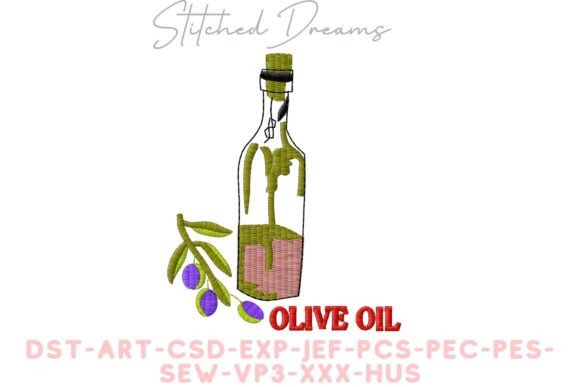
The moment you load this embroidery file, the first thing that strikes me is the elegance of the silhouette. We aren’t dealing with a cartoonish, chunky bottle here. Instead, the design features a sleek, slender shape that captures the essence of premium artisanal olive oil. For designers targeting boutique markets, this distinction matters. It feels sophisticated rather than kitschy.
The mood created by this machine embroidery design is one of rustic luxury. It evokes memories of Mediterranean kitchens, farmers' markets, and slow living. When I look at the intricate details adorning the bottle, I see potential for high-end branding. It doesn’t scream "craft fair bargain bin"; it whispers "curated home goods." This visual personality makes it an excellent candidate for custom apparel that aims for a lifestyle aesthetic, such as linen aprons for serious cooks or structured tote bags for grocery runs.
Real-World Application: From Screen to Stitch
I wanted to test how this design would perform in a real commercial scenario. My hypothesis was simple: could this work as a central motif for a small shop product line? I imagined creating a set of kitchen textiles—a tea towel, a pillow cover, and perhaps a matching tote bag design.
On a sturdy cotton canvas for the tote bag, the design shines. The contrast between the dark thread colors and the natural fabric allows the slender shape to pop without getting lost. However, the true test came when I considered versatility. Could this same digital embroidery file work on a sweatshirt?
Absolutely, but with caveats. On a heavy French terry sweatshirt, the design takes on a cozy, heritage vibe. It fits perfectly with the current trend of "grandmillennial" or cottage-core aesthetics. I can easily see this embroidered on the chest of a cream-colored hoodie, paired with minimal text like "Fresh Pressed" or simply left as a standalone icon. It works beautifully as a personalized gift for housewarmings or weddings, where the recipient appreciates quality over quantity.
For baby items, the application shifts slightly. While the bottle itself is elegant, pairing it with softer, pastel threads can make it suitable for nursery decor or a baby blanket. It bridges the gap between functional kitchenware and sentimental keepsake. As an Etsy seller, having a design that can pivot from a rugged apron to a delicate onesie gives you multiple revenue streams from a single asset.
Technical Performance and Stitch Behavior
Let’s talk mechanics. A beautiful image is useless if it puckers the fabric or breaks needles. The stitch density in this design appears balanced. It utilizes a mix of satin stitches for the outline and fill stitches for the body, which helps create depth. The running stitch accents add texture without adding excessive weight.
However, not all fabrics are created equal. If you plan to use this on thin fabric or stretchy knits, you must be vigilant. The tension required to hold the intricate details might cause distortion if the stabilizer isn’t chosen correctly. I strongly advise using a cut-away stabilizer for woven items like aprons and tote bags, but a tear-away might suffice for temporary projects like holiday tags. Always check the grain of your fabric before hooping; placing the bottle vertically on the bias of a knit shirt will lead to warping.
One area to watch is the small details. The "intricate details" mentioned in the description are subtle. On a large hoop size, they read clearly. But if you downsize this for a tiny embroidered patch or a hat front, those lines may merge into a blob. Test the design in black and white mockups to ensure the negative space remains distinct. If the details are too fine for your intended hoop size, consider simplifying the design manually or choosing a different placement.
Where to Use It Carefully
While this design is versatile, there are specific scenarios where it might struggle:
- Textured Fabrics: On bouclé wool or heavily textured upholstery, the sleek lines of the bottle may get swallowed by the fabric pile. Stick to smooth surfaces like cotton, linen, or denim.
- Curved Surfaces: Attempting to embroider this on a curved cap front requires significant digitizing expertise. The slender shape may distort if the curvature is too aggressive. Flat panels or flat caps are safer bets.
- Dense Stitch Areas: If you are layering garments or working with thick fleece, the bulk created by the fill stitches can become uncomfortable. Ensure the design is optimized for lightweight applications if comfort is a priority.
- Frequent Washing: For items like kitchen towels or aprons that will see heavy machine washing, ensure you are using high-quality polyester or rayon threads. Cotton thread may fray over time, diminishing the professional look of the finished product.
Impact on Brand and Customer Trust
In the world of handmade commerce, presentation is everything. A well-executed embroidery project signals professionalism. When a customer sees the clean lines and thoughtful composition of the Olive Oil Embroidery Design, they perceive higher value. It suggests that the maker cares about detail.
This design enhances brand consistency for shops focused on food, hospitality, or rustic living. It serves as a recognizable symbol that ties your product line together. Whether it’s on a sweatshirt embroidery piece or a printable mockup for a digital listing, the cohesive look builds trust. Buyers are more likely to return to a shop that demonstrates technical skill and aesthetic judgment.
Practical Designer Notes Before You Stitch
Before you commit this design to your final merchandise, follow these steps to ensure success:
- Test on Scrap Fabric: Never run a production run without a test stitch. Check for thread breaks, tension issues, and fabric puckering.
- Check Thread Color Contrast: The design relies on definition. Ensure your chosen thread colors provide enough contrast against your base fabric. Dark green on navy blue might disappear; bright gold on white will pop.
- Review Stitch Density: Zoom in on the digitization. Are there any overly dense areas that might cause needle deflection? Adjust if necessary.
- Confirm Hoop Size: Verify that the design fits your target garment dimensions. Oversized designs on small items look cluttered; undersized designs look insignificant.
- Inspect Small Details: Look closely at the corners and fine lines. Do they hold their shape? If not, consider reducing the complexity.
- Compare Backgrounds: Test the design on both light and dark fabric backgrounds. Some designs lose impact on darker materials unless underlay stitches are adjusted.
- Use Proper Stabilizer: Match your stabilizer to your fabric weight. Heavy fabrics need heavy support; light fabrics need minimal intervention.
- Verify Licensing: If you intend to sell finished items or use this in commercial embroidery projects, confirm the licensing terms. Some digital products allow personal use only, while others permit commercial sales with attribution.
Final Verdict
The Olive Oil Embroidery Design is a strong addition to any designer’s library. It offers a perfect blend of elegance and approachability, making it suitable for a wide range of handmade products. From aprons for the home chef to holiday gifts for the hostess, this design delivers on both aesthetic and practical fronts. Just remember: the best results come from careful testing and thoughtful application. Treat it with respect, choose your materials wisely, and you’ll create a finished product that customers will love.